
Beneficiaries and ownership
Review beneficiary designations and account ownership in the context of the intended family and charitable outcomes.

Estate planning guidance
Flames FP helps coordinate beneficiaries, estate documents, insurance, gifting, taxes, investments, and family wealth decisions. Planning and Premier members receive day-one access to Wealth.com's client-directed estate-document platform.
Direct answer
Estate planning guidance from a financial advisor can help connect beneficiaries, account ownership, insurance, taxes, gifting, investment structure, retirement assets, and family responsibilities. Flames Planning and Premier include day-one access to Wealth.com's client-directed platform for will-based and revocable-living-trust plans for both spouses or partners in the household. Flames FP facilitates the process but does not draft legal documents or provide legal advice; individualized attorney advice is separate.
Core decisions
An estate plan can fail when account registrations, beneficiary designations, insurance, and legal documents point in different directions.
Review beneficiary designations and account ownership in the context of the intended family and charitable outcomes.
Planning and Premier members can use Wealth.com's client-directed platform for a will-based or revocable-living-trust plan, including related powers of attorney and healthcare documents available within the platform.
Consider whether survivors, debts, taxes, care needs, and other obligations have an appropriate source of liquidity.
Family wealth
Estate planning is also about responsibility, communication, incapacity, family dynamics, and the choices that happen before a transfer of wealth.
Clarify who can help with financial and healthcare decisions and whether the necessary documents and account access are in place.
Connect lifetime gifts, charitable giving, tax considerations, and investment decisions to the household's broader priorities.
Identify the information, responsibilities, and professional relationships survivors may need during a difficult transition.
Choosing the right help
Choose a financial planner who can connect retirement accounts, investments, taxes, insurance, beneficiaries, and family goals—and who is clear about when a qualified estate attorney must provide legal advice or draft documents.
Review the firm and professional in SEC IAPD, read Form ADV and Form CRS, confirm the fiduciary role, and verify relevant credentials.
Ask whether the relationship includes beneficiary reviews, account ownership, insurance, gifting, tax coordination, and implementation follow-through.
The planner should explain what the advisor, client, custodian, tax professional, document platform, and estate attorney each handle.
Request the complete cost in dollars and identify any commissions, product incentives, or AUM charges.
Confirm who follows up after life changes and how documents, beneficiaries, and accounts are reviewed together.
Keeping the plan aligned
Marriages, children, moves, account changes, new laws, deaths, and shifting goals can all make an old plan less useful.
Revisit documents, beneficiaries, ownership, and insurance when family or financial circumstances materially change.
New accounts and investments should be incorporated into the same ownership and beneficiary strategy.
Bring the financial, tax, insurance, and legal pieces into one planning conversation when specialized advice is needed.
Watch and learn
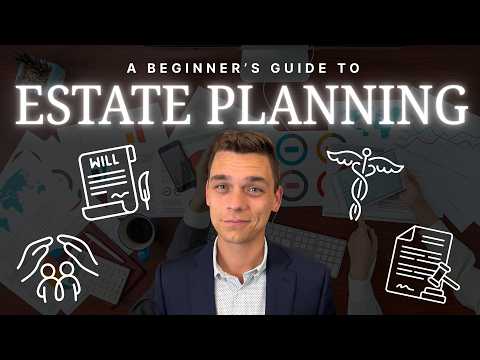
Start with three videos selected for this page, then use the controls to explore every published Flames FP video guide.
Videos 1–3 of 14











Common questions
Planning and Premier members receive access to Wealth.com's client-directed estate-document platform beginning on day one. The benefit covers will-based and revocable-living-trust plans for both spouses or partners in the household. Platform access and future document changes end when the membership ends, although clients may retain completed documents they have downloaded or executed, subject to Wealth.com's terms.
No. Wills, powers of attorney, healthcare directives, beneficiaries, insurance, guardianship considerations, and incapacity planning can matter at many wealth levels.
Start by deciding whether you need a financial advisor, an estate-planning attorney, or both. Verify the advisor's registration, credentials, disciplinary history, fiduciary responsibility, compensation, estate-planning experience, and process for coordinating beneficiaries, account ownership, insurance, taxes, investments, and legal documents. A financial advisor can coordinate the financial-planning inputs, while individualized legal advice and document drafting belong to a qualified attorney.
No. Wealth.com provides the client-directed document platform, and Flames FP facilitates the process and coordinates the financial-planning inputs. Individualized legal advice or attorney consultation is a separate service provided by a qualified attorney.
Documents and beneficiary designations should be reviewed after major life or financial changes and periodically to confirm they still reflect current goals and circumstances.
Retirement accounts, RMDs, taxes, beneficiaries, survivor income, insurance, charitable goals, and portfolio withdrawals can all affect the estate plan.
Next step
Schedule a discovery meeting to discuss the estate, insurance, beneficiary, tax, and family decisions that need to be coordinated.